Are Gum Disease and Gingivitis the Same Thing?
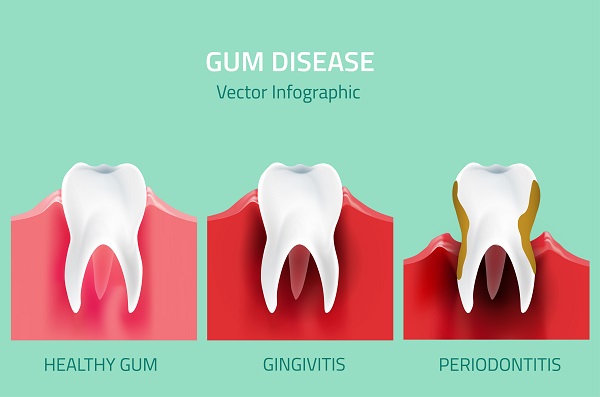
There are different stages of gum disease, with each stage being based on the severity of the infection. Because there are different stages of gum disease, it can be difficult to differentiate between each one. When trying to determine what stage the infection is at, it is best to begin with a visit with a general dentist.
Gum disease vs. gingivitis
Outlined below are overviews of gum disease and gingivitis. While the two do tend to overlap, there are a few key differences that are important to be aware of.
What is gum disease?
Gum disease is a serious infection in the gums that causes damage to the soft tissues. If gum disease goes untreated, patients may also experience damage to their teeth, such as tooth decay. Typically, the cause of gum disease is genetics, lack of oral hygiene or skipping routine cleanings with a dentist.
Dentistis often recommend oral rinses, as well as in-depth cleaning procedures that go beneath the gums. However, if the gums have begun to recede or if there is a shift in the teeth, then more invasive procedures may be required, such as soft tissue transplants.
What is gingivitis?
Gingivitis is typically the beginning stage of gum disease. Medically speaking, gingivitis refers to inflamed gums. When a patient suffers from gingivitis, they are likely to experience inflammation, which can appear as red, puffy or swollen gums. Typically, there is tenderness as well.
Gingivitis often occurs when there is a lack of oral hygiene or when the patient skips routine cleanings with their dentist. Often, it can be treated through a procedure known as scaling and root planing, which is just a more in-depth cleaning of the soft and hard tissues within the mouth.
Similarities and differences
Gingivitis is a form of gum disease, which means that there are symptoms that overlap. When a patient experiences overall gum disease, it is likely that the infection is severe. However, if the gums are just inflamed, then it is likely that the patient only has gingivitis. The main difference is that gingivitis is such an early form of gum disease, patients will not likely experience bleeding or pain. Additionally, the teeth will not be affected, and the gums are not likely to recede.
However, one thing that remains constant for both gingivitis and gum disease is that the patient will experience inflammation. Inflamed gums are the number-one sign that an infection is present, especially as the disease progresses.
Learn more today!
Both gum disease and gingivitis can lead to serious complications if treatment does not take place. Working with a general dentist is a good place to start when experiencing a gum infection. Reach out today to learn more or to get started! Our team is here to help.
Request an appointment here: https://www.allsmilesdentalcenter.com or call All Smiles Dental Center at (210) 714-7429 for an appointment in our San Antonio office.
Check out what others are saying about our dental services on Yelp: Gum Disease in San Antonio, TX.
Recent Posts
The primary way receding gums are treated is through a gum graft. This procedure involves taking soft tissue from another area and placing it where the recession has occurred. This guide provides tips on how to recover after a gum graft for receding gum treatment.You can help ensure a smooth and fast recovery after receding…
Receding gums can affect your confidence and leave you feeling self-conscious, even when you have every reason to smile. Luckily, a dentist can correct gum recession and its root cause. They can craft treatment plans that best suit their patients’ needs. A treatment plan will include one or more procedures to restore the looks and…
One essential step a person can take to prevent receding gums is to maintain excellent dental hygiene. Most individuals often neglect their gums and focus on dazzling, pearly white teeth when it comes to oral health. However, having healthy gums is just as important as having healthy teeth.Gum recession has the potential to cause tooth…
Receding gums leads to gum tissues pulling back from teeth roots, making your teeth appear abnormally large. Teeth roots are protected from acids made by oral bacteria by the gum tissues that cover them, so gum recession leaves them vulnerable to these acids, increasing their risk of decay.Receding gums can be caused by several things,…